Is Patio Heating The Greatest Thing There Ever Was?
Buying Gas Radiant Heaters: A Comprehensive Guide
Gas radiant heaters have gained popularity recently for their efficiency and capability to provide instant warmth. As more property owners and organizations search for ways to keep their spaces comfy, understanding the features, benefits, and factors to consider when acquiring these heating units can be extremely helpful. This post looks into the complexities of gas radiant heaters, aiding prospective purchasers in making informed choices.
What are Gas Radiant Heaters?
Gas radiant heaters are devices that make use of propane or gas to give off heat directly into a space. Rather than heating the air, they warm items and individuals in their vicinity, supplying comfort quicker and effectively. These heaters are popular for both indoor and outdoor settings due to their adaptability and efficiency.
Key Features of Gas Radiant Heaters
- Direct Heating: Unlike standard heaters that warm the air, gas radiant heaters supply direct heat, making them an efficient choice for rapidly warming up spaces.
- Mobility: Many designs are offered as portable units, allowing them to be easily moved from one place to another.
- Fuel Variety: Gas radiant heaters can be powered by gas or propane, providing users flexibility based on schedule and preference.
- Adjustable Settings: Most gas radiant heaters featured adjustable heat settings, enabling users to customize the level of heat based on their requirements.
Advantages of Gas Radiant Heaters
- Energy Efficiency: These heaters convert gas into heat effectively, leading to lower energy costs compared to electric heaters.
- Quick Heating: Radiant heat is felt nearly immediately, making these heaters perfect for unexpected temperature level drops.
- Low Maintenance: Gas radiant heaters typically require less upkeep than electric models, making them a problem-free choice.
- Eco-friendly: When powered by clean natural gas, these heaters can be a more ecologically sustainable choice compared to other heating approaches.
Kinds Of Gas Radiant Heaters
When it comes to choosing a gas radiant heater, it's essential to understand the various types offered. Below are the most typical options:
- Indoor Gas Radiant Heaters: Designed for indoor areas, these heaters are generally vented or unvented and often featured integrated safety functions.
- Outdoor Gas Radiant Heaters: Commonly utilized in outdoor patios or outdoor dining areas, these heaters are designed to withstand the elements.
- Wall-Mounted Gas Radiant Heaters: A space-saving alternative, these systems are perfect for smaller areas and can be outfitted with various heat outputs depending upon the location's requirements.
- Freestanding Gas Radiant Heaters: These portable designs can be utilized in different places, best for those who need versatility.
Buying Guide: How to Choose the Right Gas Radiant Heater
When buying a gas radiant heater, several aspects must be thought about to guarantee you pick the right design for your space:
1. Heating Capacity
- Determined in BTUs (British Thermal Units), the heater's capacity determines just how much location it can efficiently warm. Buyers need to examine their specific needs based upon space size.
Space Size (sq feet)
Recommended BTUs (for Gas Radiant Heaters)
100 – 200
5,000 – 10,000 BTUs
200 – 400
10,000 – 20,000 BTUs
400 – 600
20,000 – 30,000 BTUs
600 – 800
30,000+ BTUs
2. Kind of Gas
- Consider whether you will be utilizing propane or gas, as various heaters accommodate various fuel types.
3. Safety Features
- Try to find designs equipped with security features such as automatic shut-off valves, tip-over defense, and oxygen deficiency sensing units.
4. Installation Requirements
- Some heaters might require expert installation, especially vented models. Be Gas Heating Solutions to consider the expenses and requirements related to installation.
5. Mobility
- If flexibility is essential, think about portable designs that can be easily moved from one place to another.
Setup and Maintenance
Gas radiant heaters are generally straightforward to install, particularly portable models. However, vented options might demand professional installation to guarantee they fulfill local safety codes.
Maintenance usually involves:
- Regular cleaning to avoid dust buildup.
- Examining gas connections and fittings for leakages.
- Ensuring security features are practical.
Suggestion: Regular checks around the system can assist extend its lifespan and preserve safety.
Often Asked Questions (FAQs)
Q1: Are gas radiant heaters safe for indoor use?A1: Yes
, as long as they are effectively vented and equipped with essential security functions, they can be securely utilized indoors.
**Q2: Can gas radiant heaters be utilized in enclosed spaces?A2: Unvented gas heaters can posture risks in enclosed areas due to prospective suffocation or carbon monoxide accumulation. Always ensure sufficient ventilation. Q3: How do I know what size heater I need?A3: The suitable size depends on the area you plan to heat. Describe the BTU chart
above to identify your requirements. Q4: What is the difference between propane and gas heaters?A4: The main distinction lies in their energy source
**; propane is provided through tanks, while gas is normally piped into homes. Q5: How can I maximize efficiency?A5: Ensure the heater is properly sized for your space, keep it regularly, and consider utilizing it in mix
**with other heating approaches for optimum convenience. Gas radiant heaters can be a fantastic addition to any home or company, offering energy-efficient and fast heating solutions. By comprehending the different types, functions, and considerations
when buying, purchasers can make informed choices that meet their heating needs. With the right option, these heaters offer comfort, dependability, and a welcoming environment throughout cooler seasons. 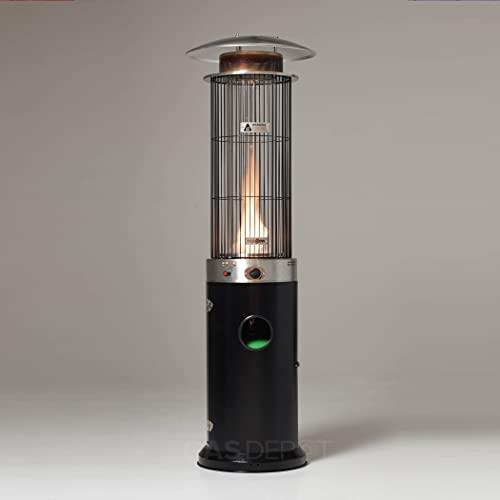 ******